Treatments / Porcelain veneers
Porcelain veneers
Thin, custom-made porcelain facings bonded to the front of the teeth to improve their shape, colour and symmetry, with a natural, stain-resistant finish.
What are porcelain veneers?
Thin facings made in a dental laboratory to fit your teeth and bonded to the front surface. They can change colour, shape and length. Porcelain reflects light much like enamel and resists staining well.
Who are they for?
- Discoloured teeth that do not respond to whitening
- Worn, chipped or uneven teeth
- Teeth with old, stained front fillings
- People wanting a longer-lasting cosmetic change
Veneers usually need some permanent reshaping of the tooth surface. Dr Abbasi will always discuss less invasive options first, such as whitening, orthodontics or bonding, and recommends veneers only when they are the right choice for you.
The process
- Consultation and planning: examination, photos and your goals, with a written plan and cost.
- Preview: the planned shape can be previewed before any tooth is prepared.
- Preparation: teeth gently prepared, scans or impressions taken, temporaries fitted.
- Fit: veneers checked, adjusted and bonded in place.
Risks and care
Veneers can chip or come loose, gums can recede, and prepared teeth may be sensitive. Veneers do not prevent decay or gum disease underneath, so check-ups and hygiene visits matter. If you grind, a night guard is usually recommended.
Dr Abbasi's porcelain veneers cases
Real patients, shared with consent. Results vary.
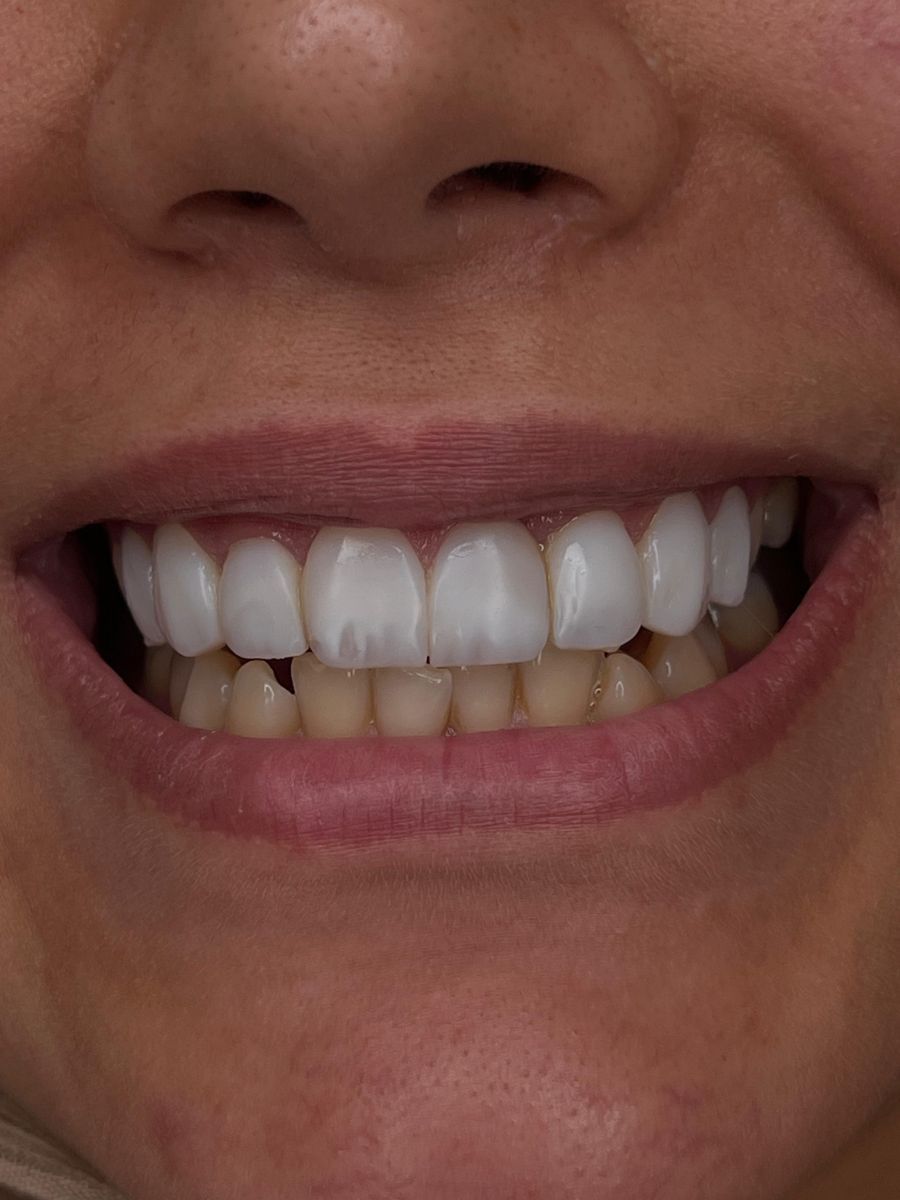
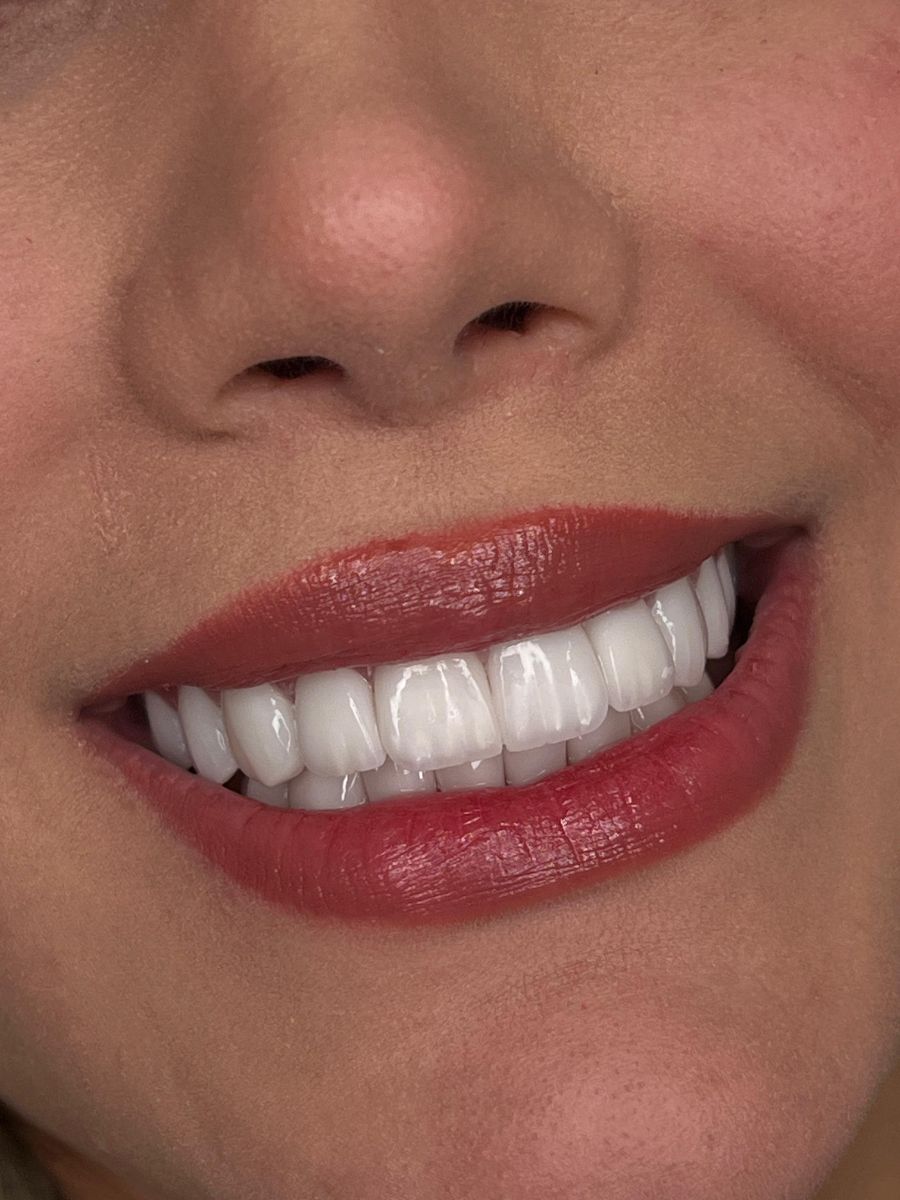 BeforeAfter
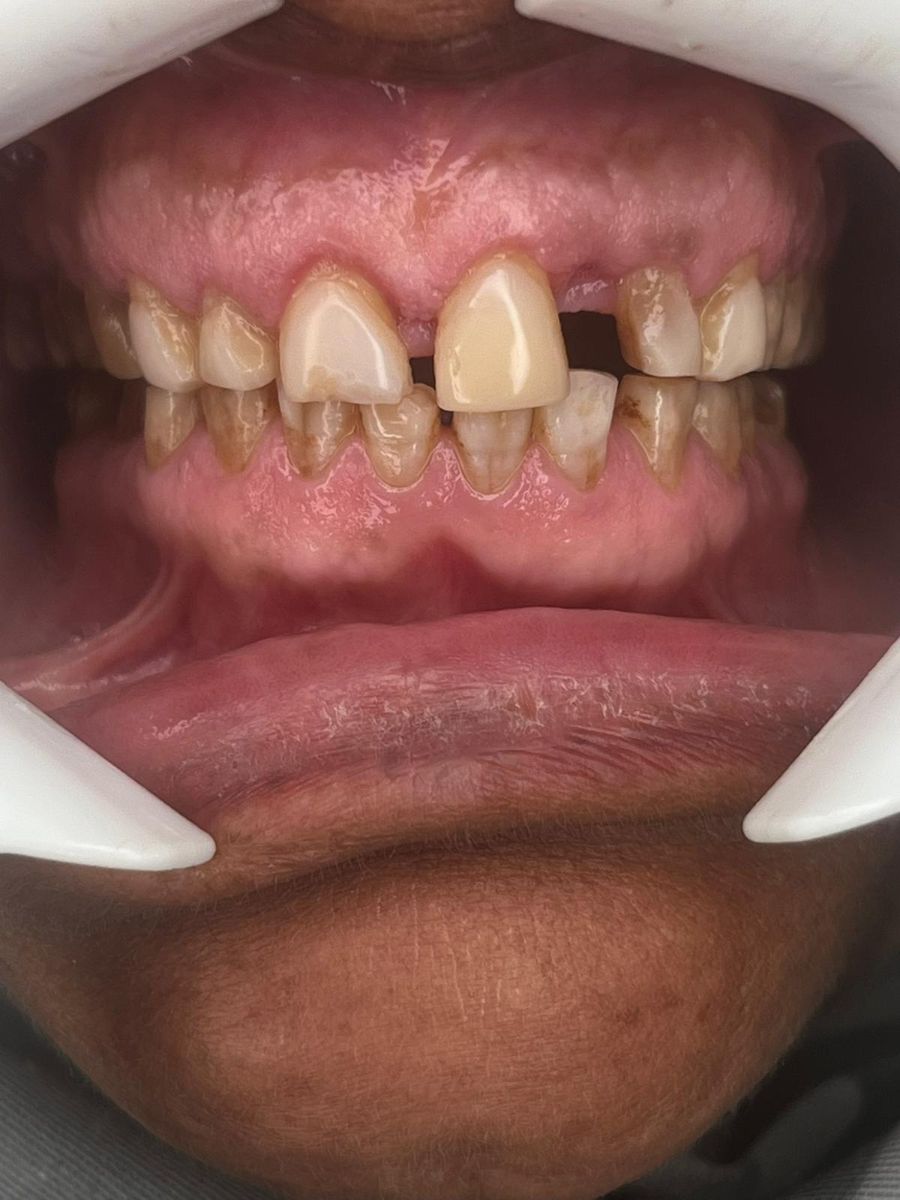
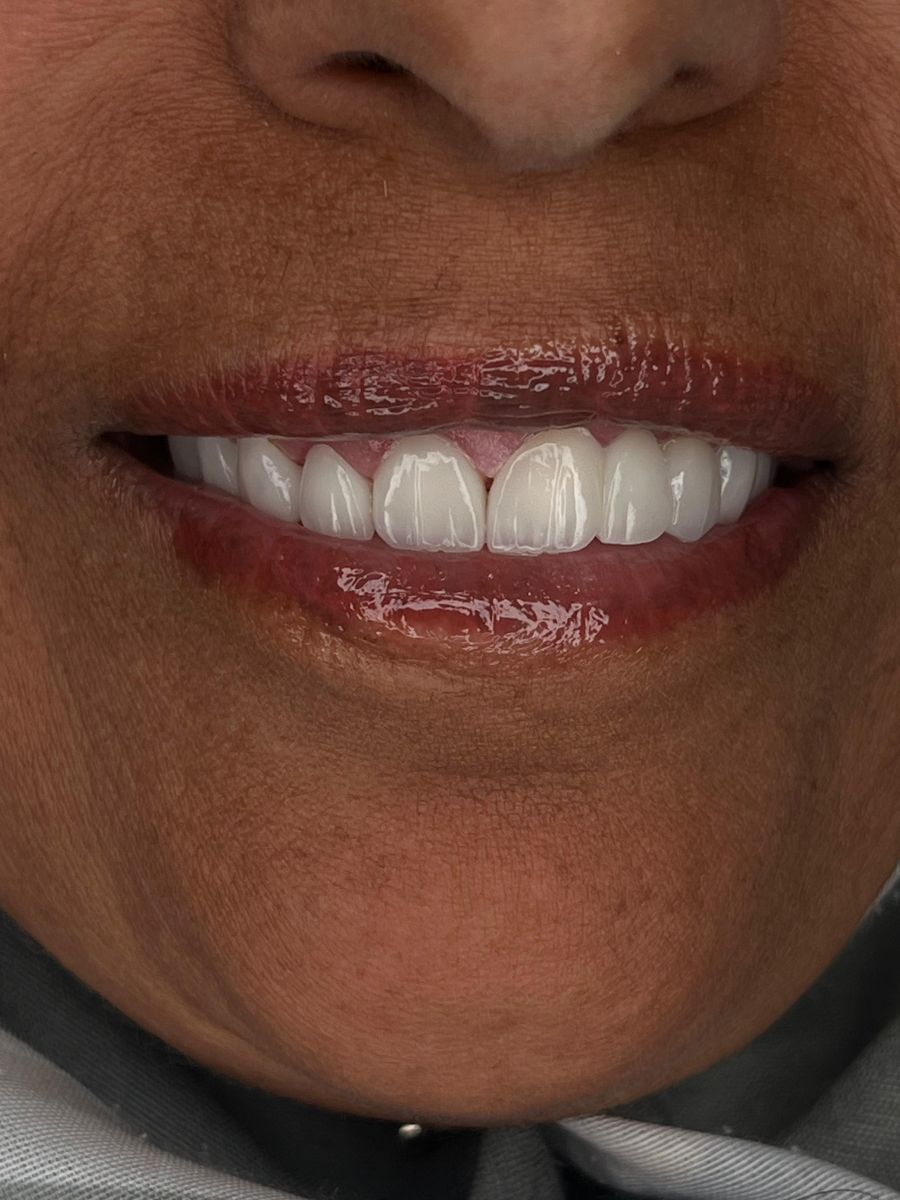 BeforeAfter
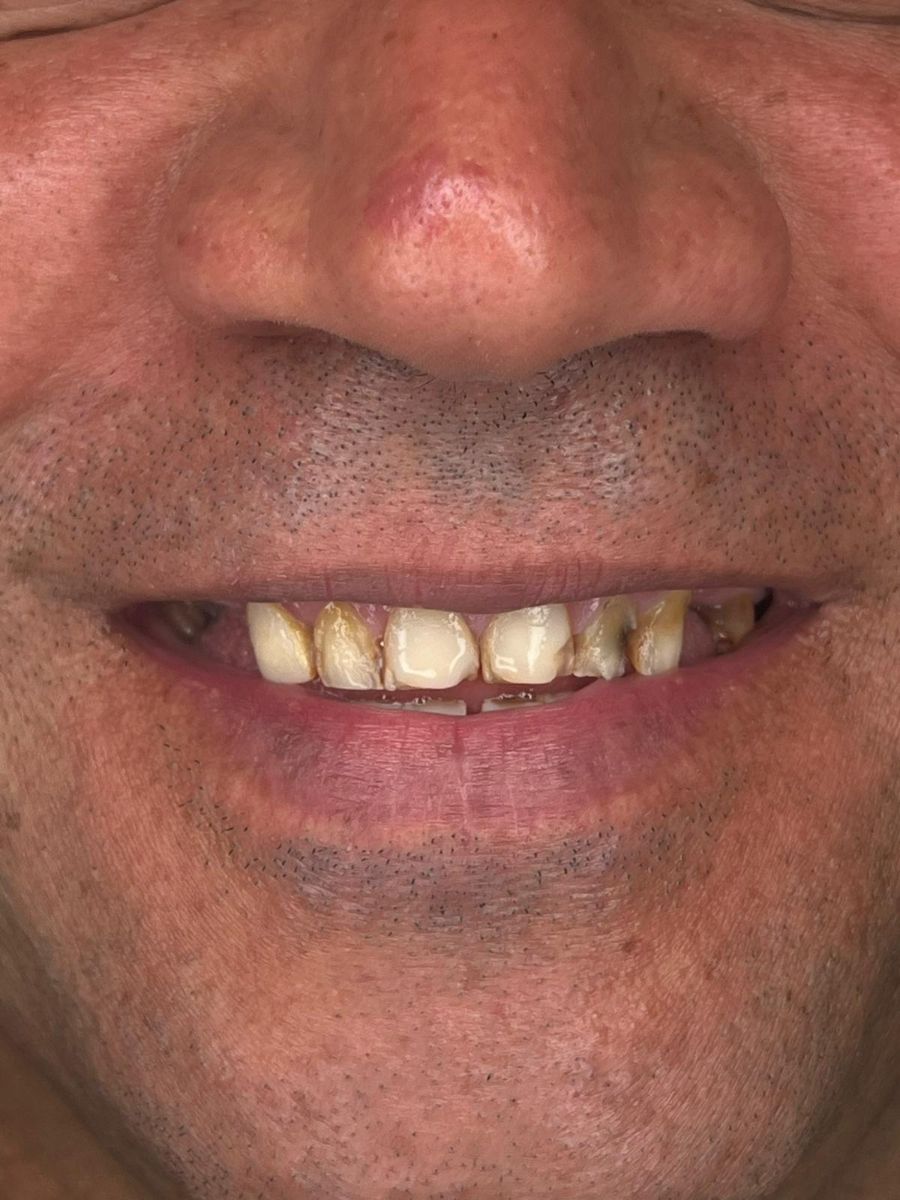
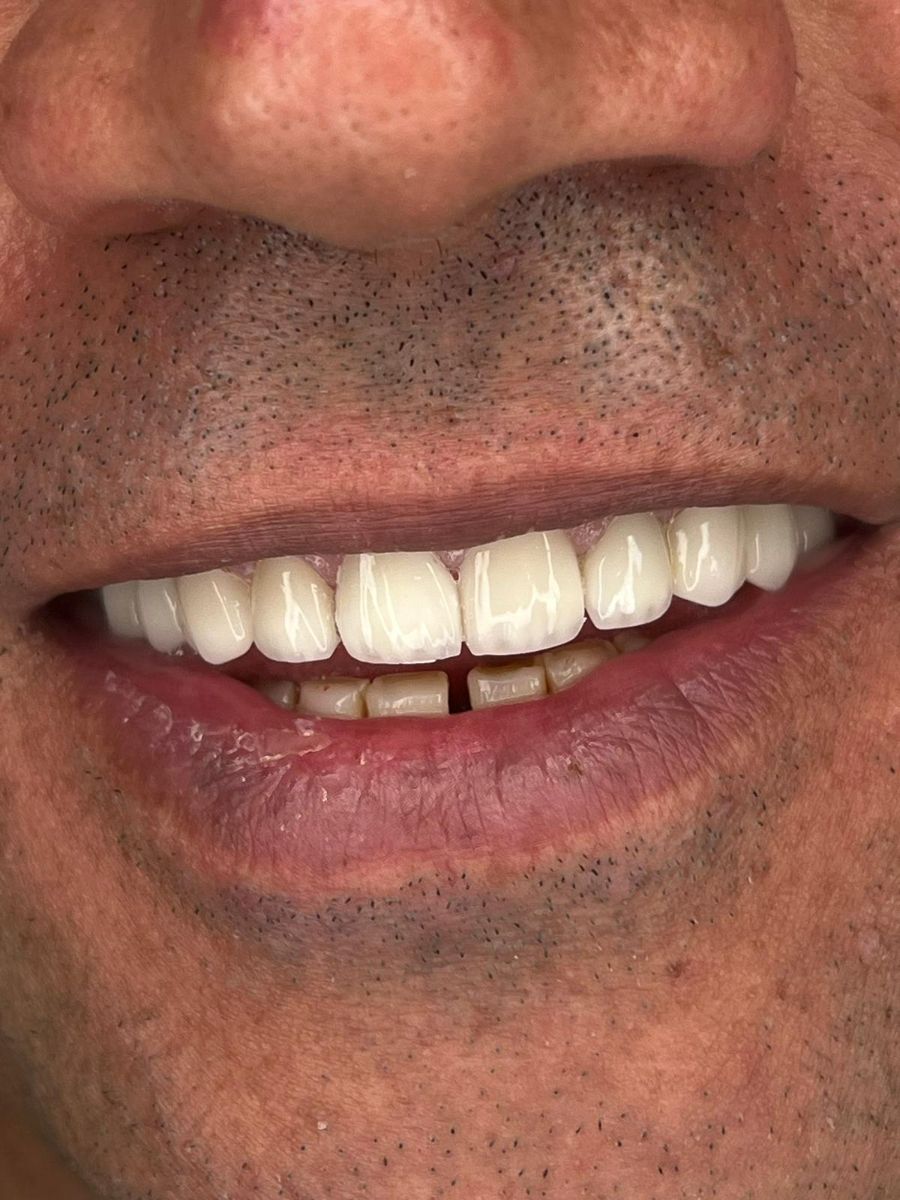 BeforeAfter
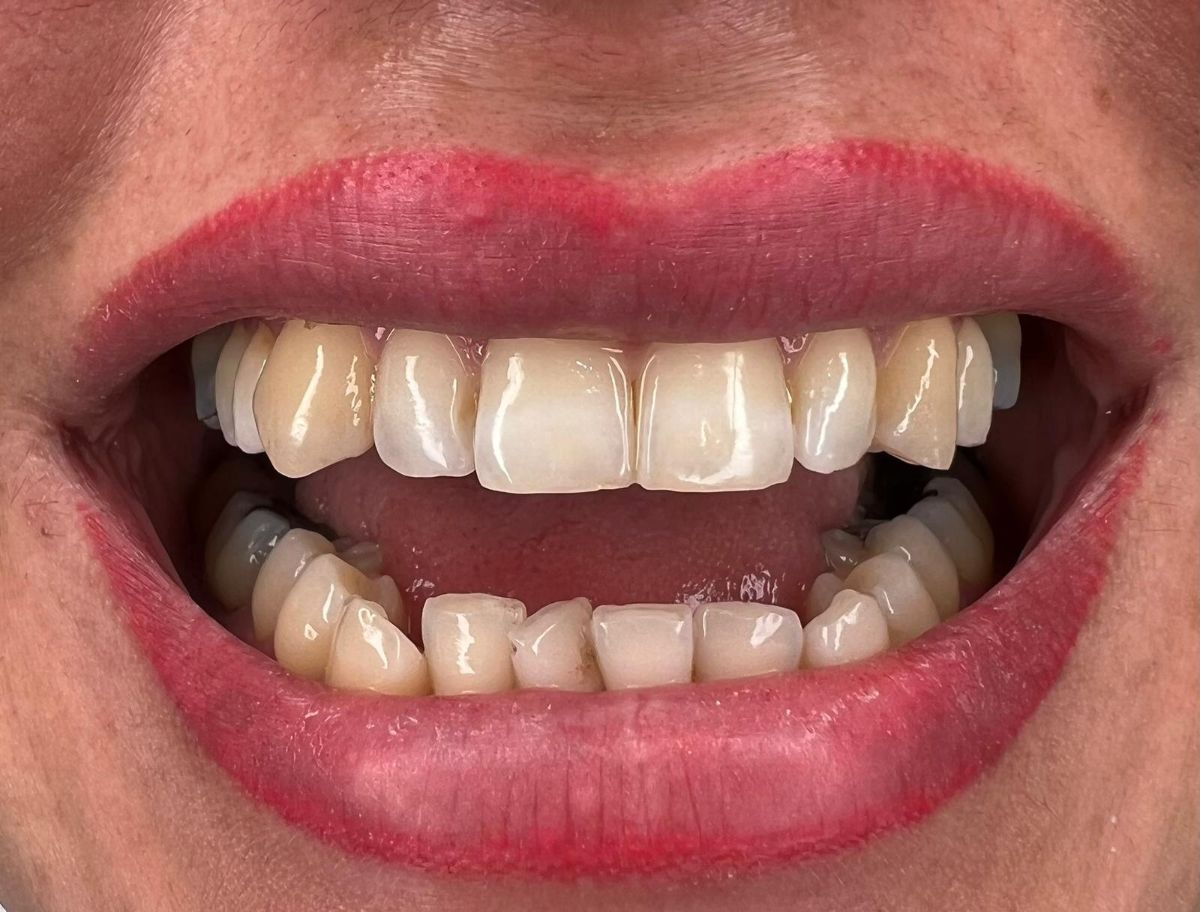
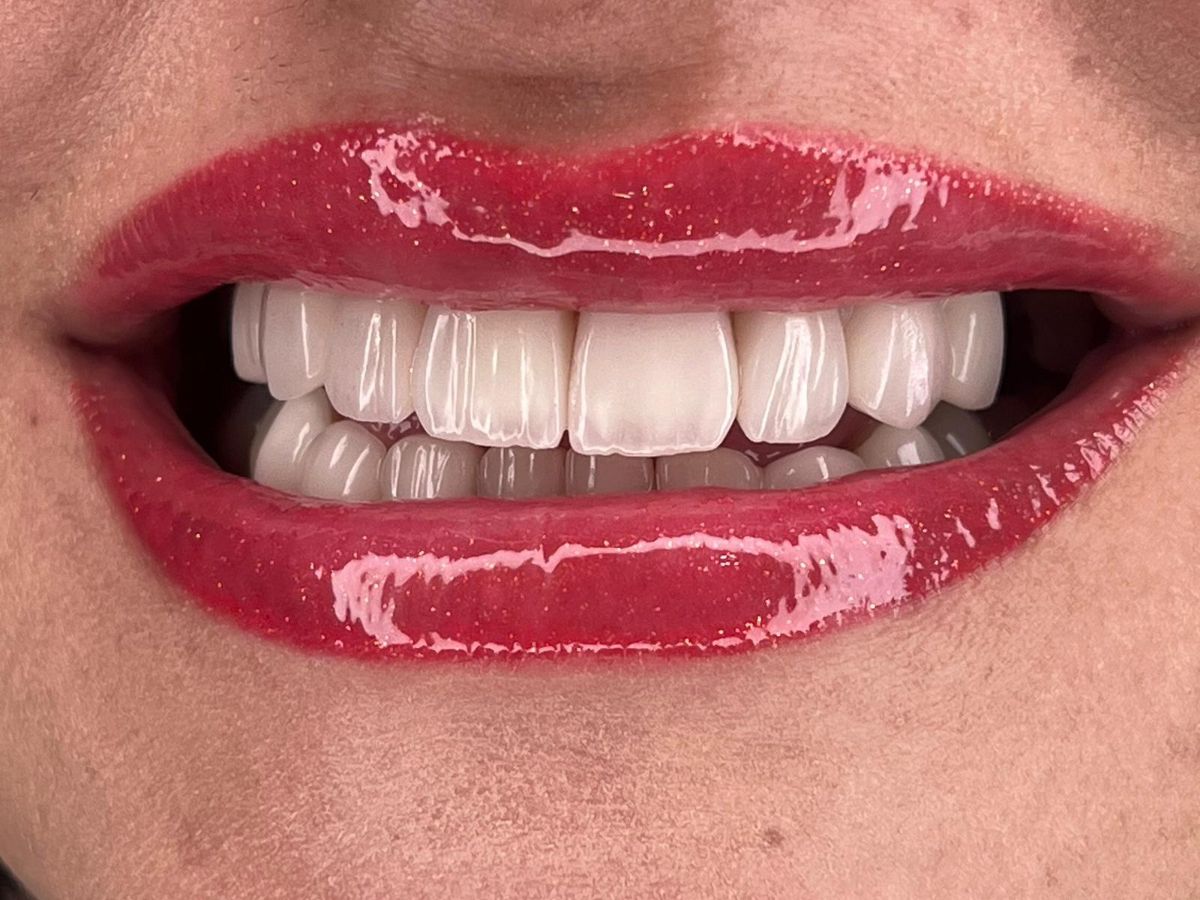 BeforeAfter
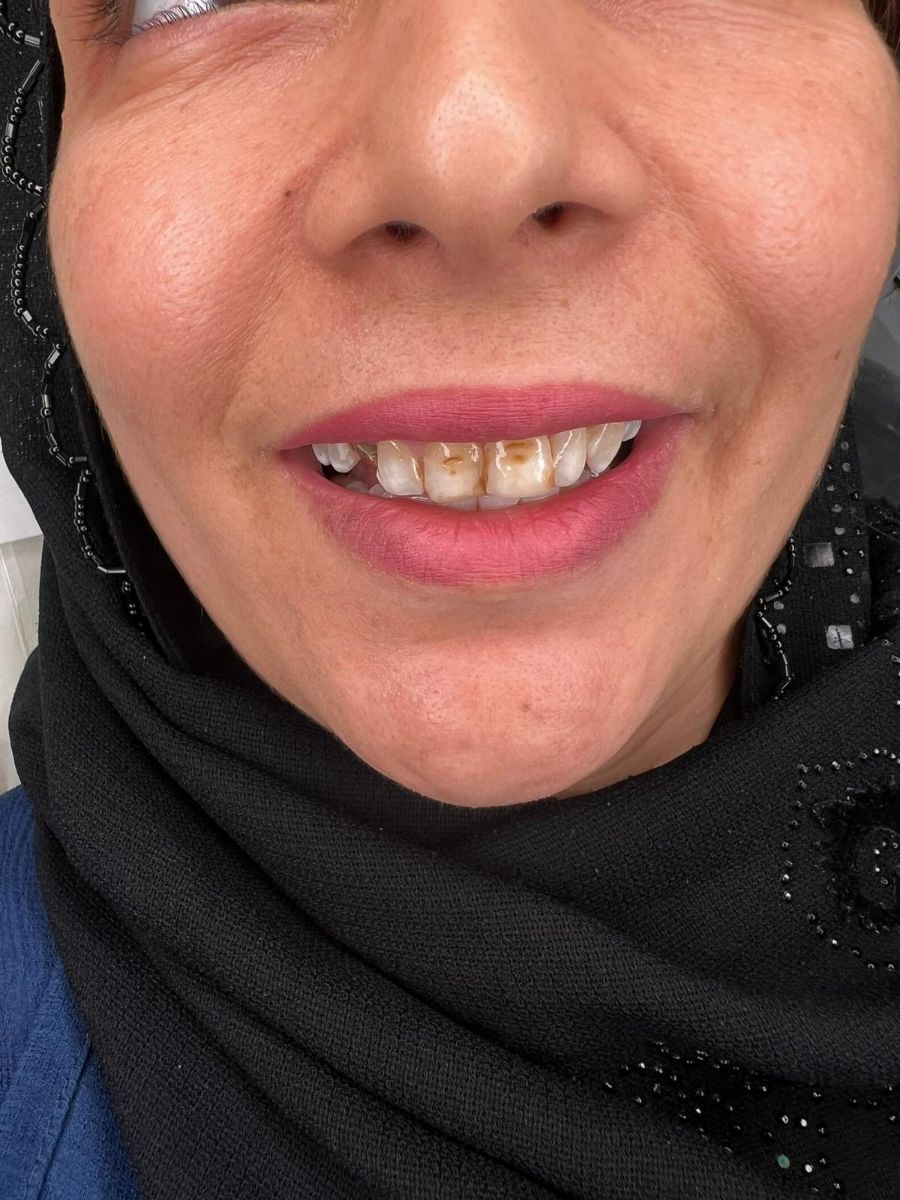
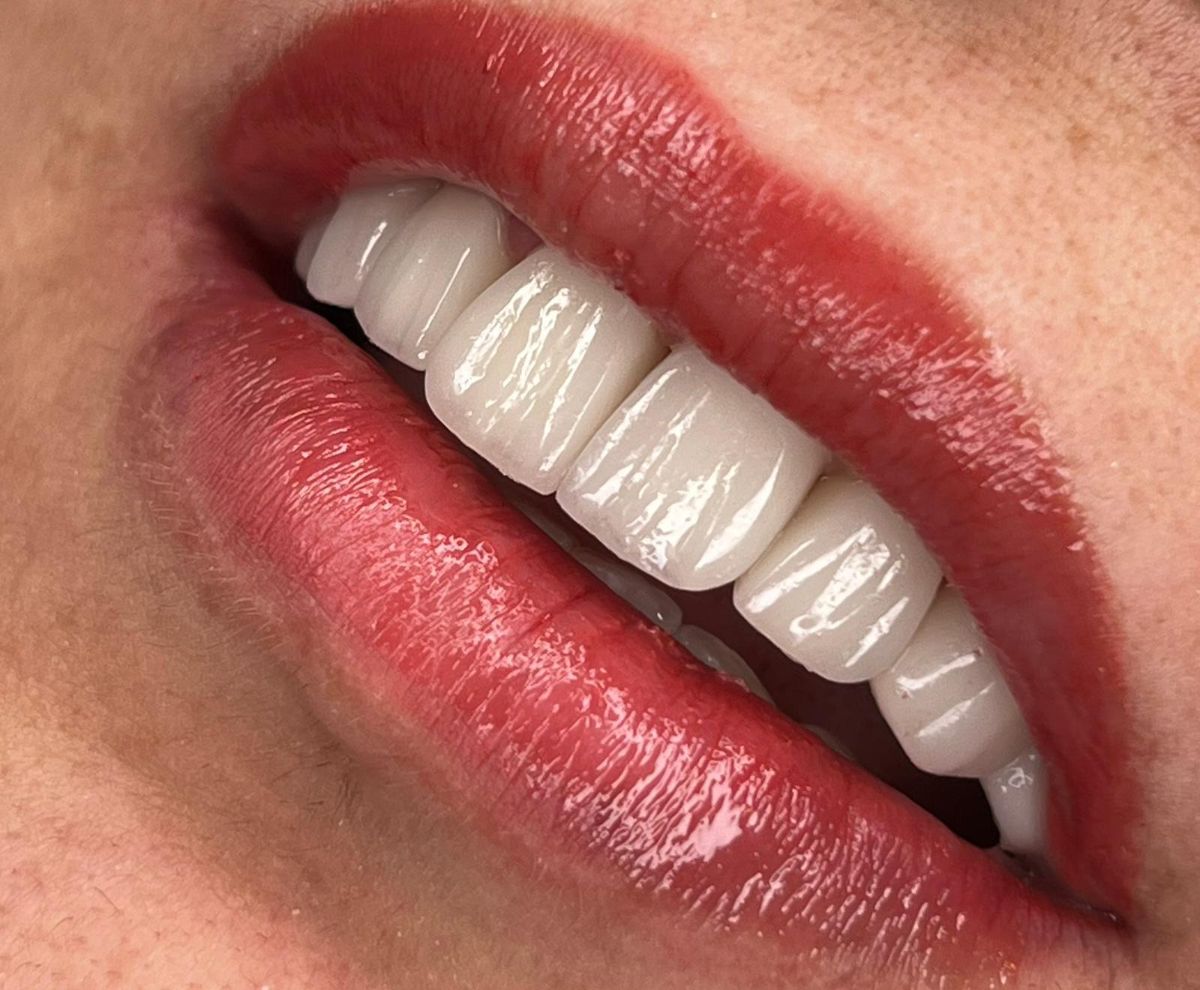 BeforeAfter
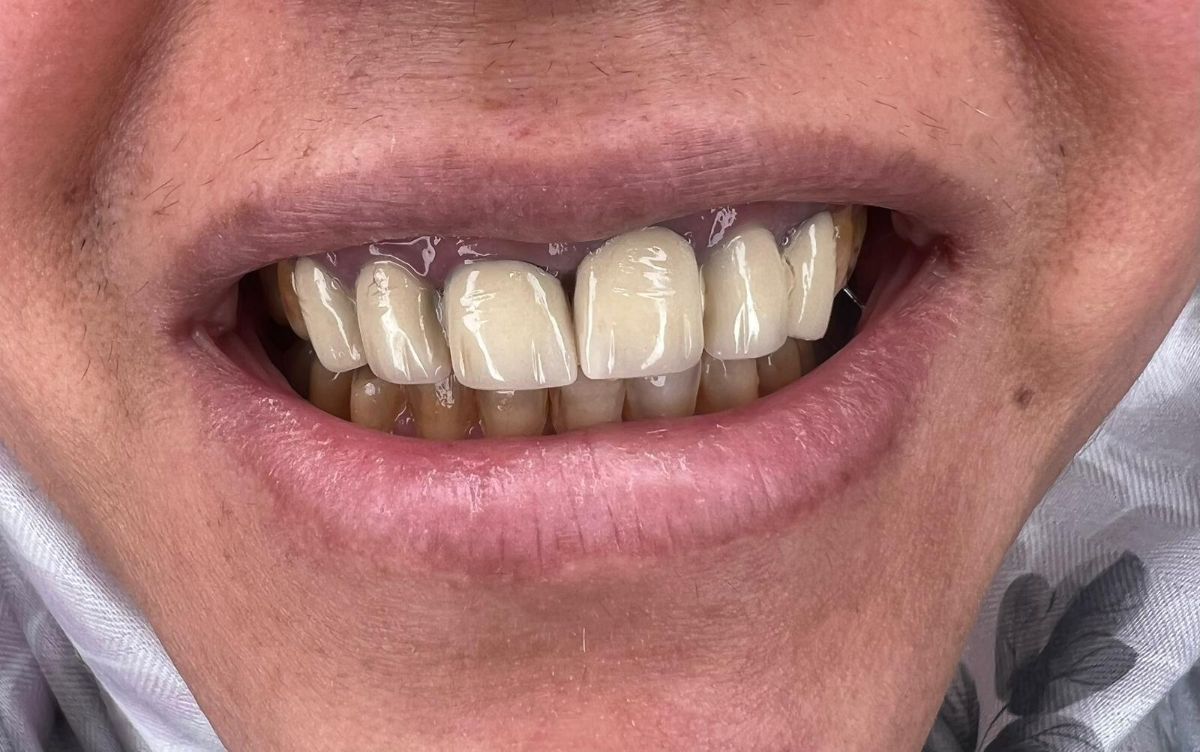
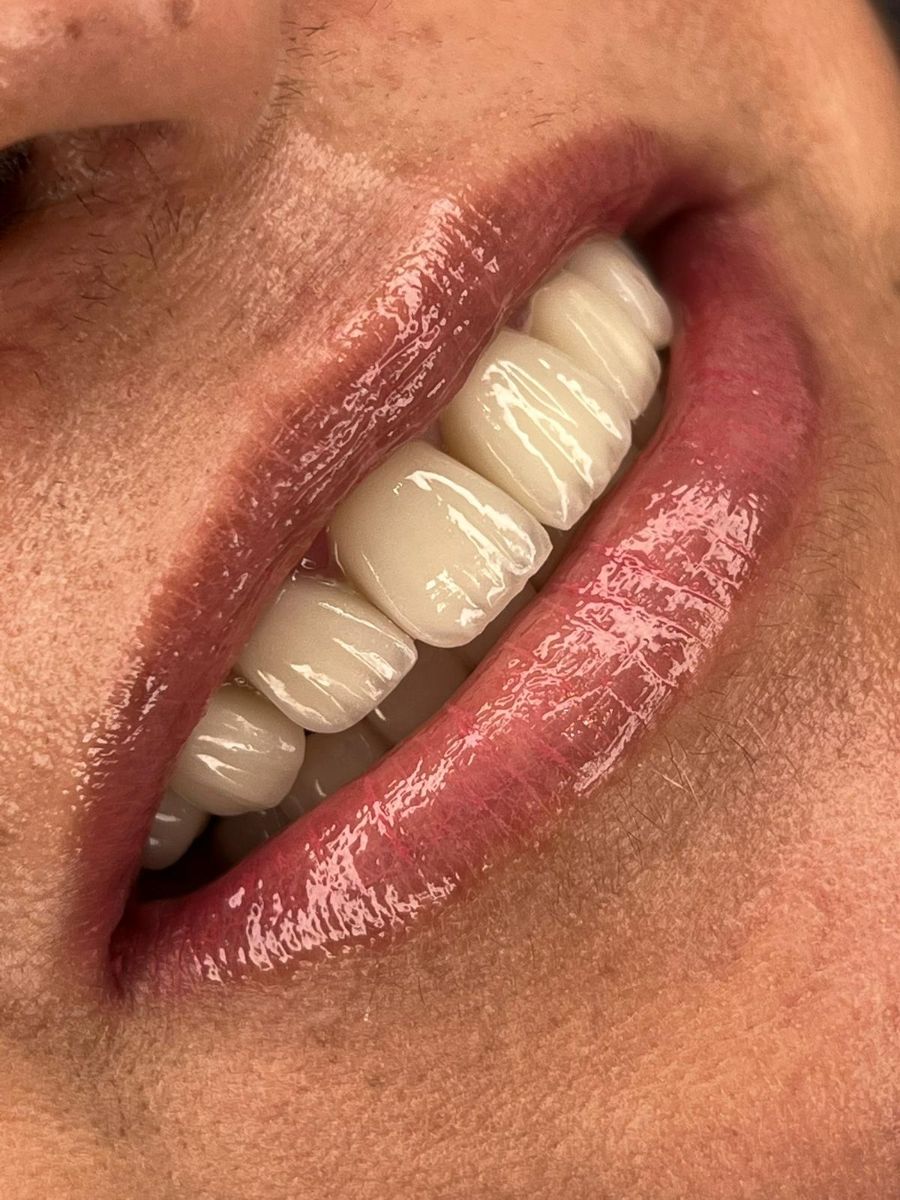 BeforeAfter
Porcelain veneers: common questions
How long do porcelain veneers last?
With good care many last for years, but it varies with your bite, habits and gum health. They may eventually need replacing.
Is it painful?
Preparation is done under local anaesthetic, so you should feel pressure rather than pain. Temporary sensitivity is common.
Will they look natural?
Shade, shape and length are designed to suit your face and agreed with you before treatment.
How many appointments?
Usually two to three after the consultation, over a few weeks.